English Restoration: what not to do
The dissident right - its part in the death of England.
Goriwei
St. George's day always provides an opportunity for the usual suspects to come out of the woodwork and trash one of the symbols of England. They claim that the patron saint of England was a Turk who didn't kill a dragon and probably didn't exist, only for others to point out that Turkey didn’t exist at the time and that he was a Greek-speaking, Cappadocian. Such attacks feed into the malaise of identity across the British Isle's but in England in particular.
Many thus pine for a lost England which had pride in itself. While it may be true that England no longer resembles the country one grew up in, it does not follow that the England for which one pines had pride in itself and, even if it did, that it can be or should be restored.
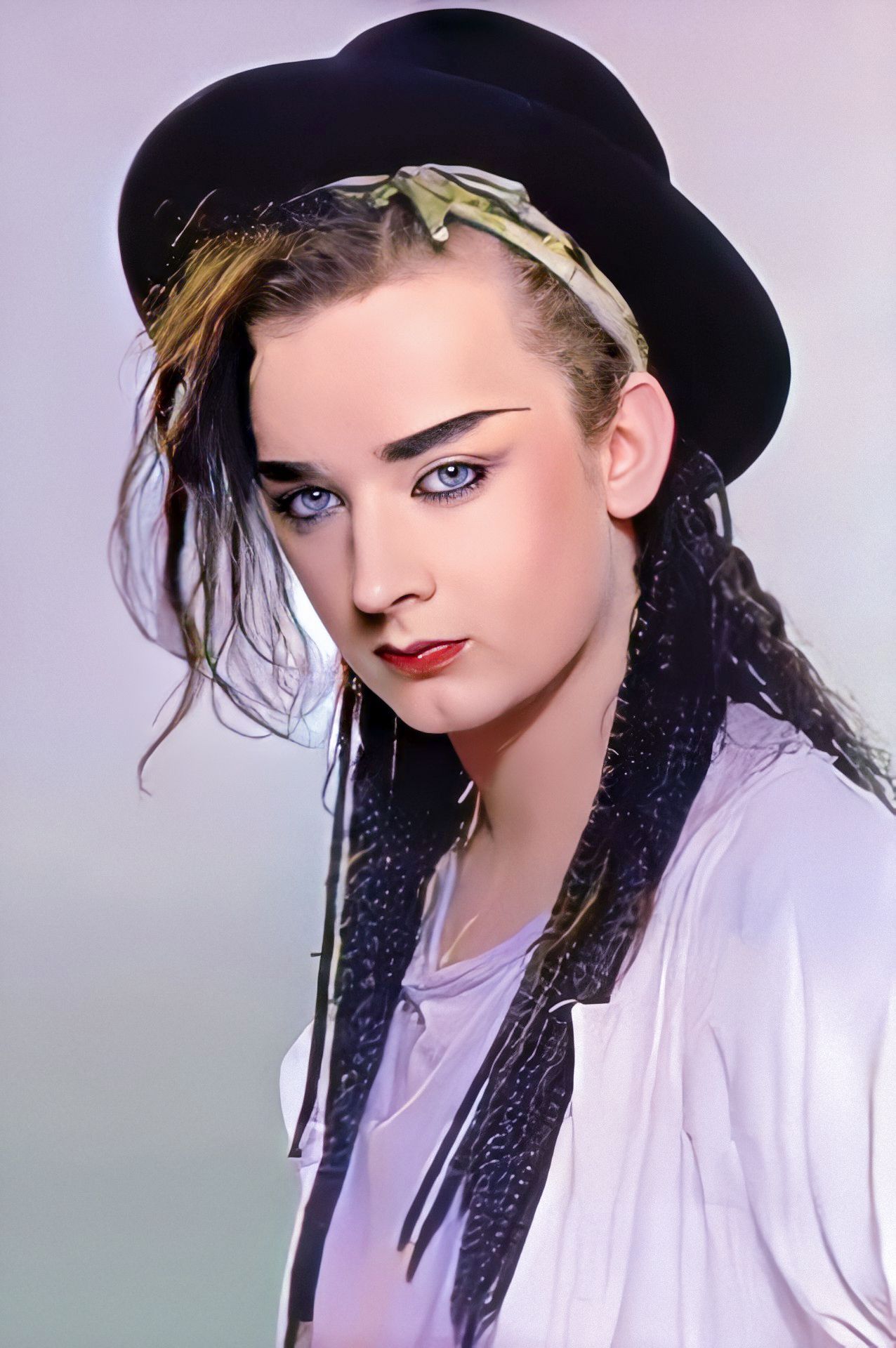
Much of the moaning of the state of England manifests as a sentimental nostalgia of the sort Douglas Murray appeals to; that is the year 1987, when Margaret Thatcher was prime minister, yuppies drove Porsches, there were fewer migrants, everyone had a gay best friend and the only gender-bender was Boy George. Others like Morgoth long for an ethnic solidarity. Tom Rowsell (internet name: Survive the Jive) thinks that going back to a pagan golden age is what is required. David Starkey opines that a restoration of the institutions, the Crown, Parliament, the common law and the Church of England, is what is required.
If England is defined by its institutions, then it is those institutions who have made England what it is today. Any restoration of the institutions would only cause them to recreate the very same problems. When did parliament actually work properly? Would Starkey restore the Church to what it was before 1536 and Henry Hose-Down used it as an instrument to force others to accept his degeneracy? That surely would not be a realistic project.
Even the notion that some ethnic solidarity can be inspired would be a hiding to nothing. It is hard to see that many subjects of His Majesty, notably the people with the power and money, that is the banking elite and the middle classes, would be interested. People with a public profile, such as the Guardian journalist Owen Jones, the current Prime Minister, Keir Starmer, or the Home Secretary, Yvette Cooper, are sure to demur on this whole nationality thing.
Tom Rowsell makes a better stab at this. He argues that the English have been a distinct ethnic group that are first mentioned as the 'Angles' by the Roman author, Tacitus. There has been continual reference in the records since that time including the Venerable Bede who was writing in the 800s.
However, the notion that a modern Englishman can connect back to an Anglo-Saxon pagan golden age is fraught with intellectual problems. For one, it does not follow that the people that Tacitus and Bede wrote about are the same 'people' that live in the geographic designation 'England' now. Another problem for the Rowsell project is that the ancestry of most English includes much of the Romano-British who were probably mostly Celtic with some admixture from the rest of the Empire. They weren't so much pagan, but almost certainly leaned Christian along with the Empire as a whole. The Anglo-Saxons brought the names 'England' and 'English', but were alien invaders who only partly usurped the local culture.
So, to prefer the Anglo-Saxon culture to the Romano-British would seem to be favouring one view of history over another and one part of one's DNA to another. The Anglo-Saxons might have started off pagan, but Christianity permeates the culture. Even the first example of Old English literature, Beowulf, although set in pagan times, is steeped in Christian themes.
"Pagan" England was short-lived. St. Augustine of Canterbury had already established his see in 597, but the reconversion work was probably well under way thanks to Irish missionaries. By the time Bede was writing in the 800s, all the islands were Christian.
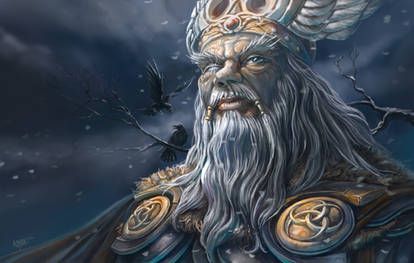
It is not hard to understand why the Anglo-Saxon invaders abandoned their one-eyed trickster demon, Woden, for the message of repentance and forgiveness of the Creator of heaven and earth. There is a reason why they might have abandoned a cult that requires sacrifice, animal and human, for one where the offerings are bread and wine.
To nay-say this and to return to the trickster would be to abandon the ancestry that Rowsell seeks to honour. It disrespects all the forebears who had chosen Christianity.
It is neither the DNA nor the culture of the Angles, Saxons and Jutes who travelled across the whale road to East Anglia that have made England. Similarly, it is nonsensical to chose a random point in time that can be identified as quintessentially English whether that point in time is 407, 735. 1535, 1968 or 1987. There is no point in time which would represent true authenticity. Doing so would only be an ex post facto construct.
The task rather is to take things as they are and discern the identity therein. Modern Britain is an amalgam of all that has gone before. It all needs to be dealt with, the good and the bad.
If the Englishman is lost and has no sense of belonging it is because the culture is fake. It is a construct created by the state and its chief propaganda arm, the BBC. If you are getting your sense of identity (even a negative identity) from the BBC then you are doing it wrong.
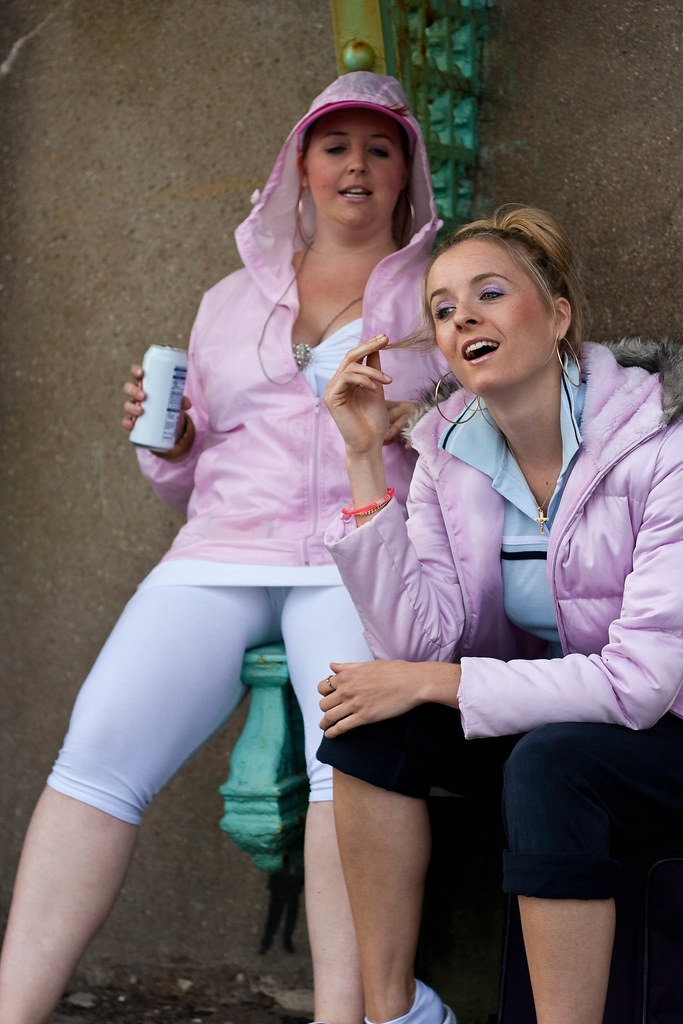
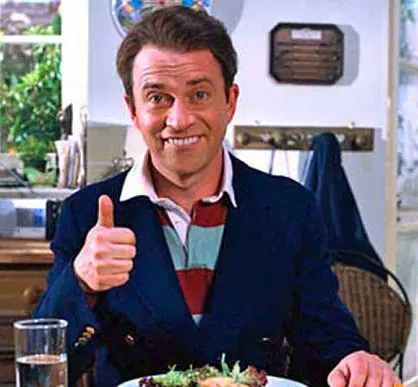
The BBC creates stereotypes to which the viewers and listeners can feel superior. The BBC gave succour to class divide creating 'chavs' as well as the reaction against ridiculing them. It created the archetypal working class 'the Royle Family'. The BBC's Harry Enfield created characters such as the upper-class idiots, Tim-Nice-But-Dim, the Very Important Man, Isobora and Trustafaria, that the BBC viewer can feel better than. They can also sneer at working class people who tried to make money such as Loadsamoney and Considerably-Richer-Than-You. Such BBC constructs include the Thatcher-era character Arthur Daley. If the television watching public take such characters as guides to how the world works, or their lode-stones for their sense of English identity, they are going to err.
Who has the BBC got you hating this week? Is it Tommy Robinson? Chavs? Racists? Fogies? Muslims? Gays? Straights? Public schools? Grammar Schools? Comprehensives? Toffs? the Working Class? All of them?
It is this dominance of a culture produced by a morally suspect establishment that makes England seem fake. The BBC inspired concept of England is not fixed, it shimmers and moves as you try to touch it and it becomes impossible to find a common English culture to defend.
When identity comes tied up with the state and that state has moved away from the people, that state must fail, because it is no longer an expression of the people. Trying to get around this by appealing to a one-eyed trickster demon or one's DNA replaces one problem with another.
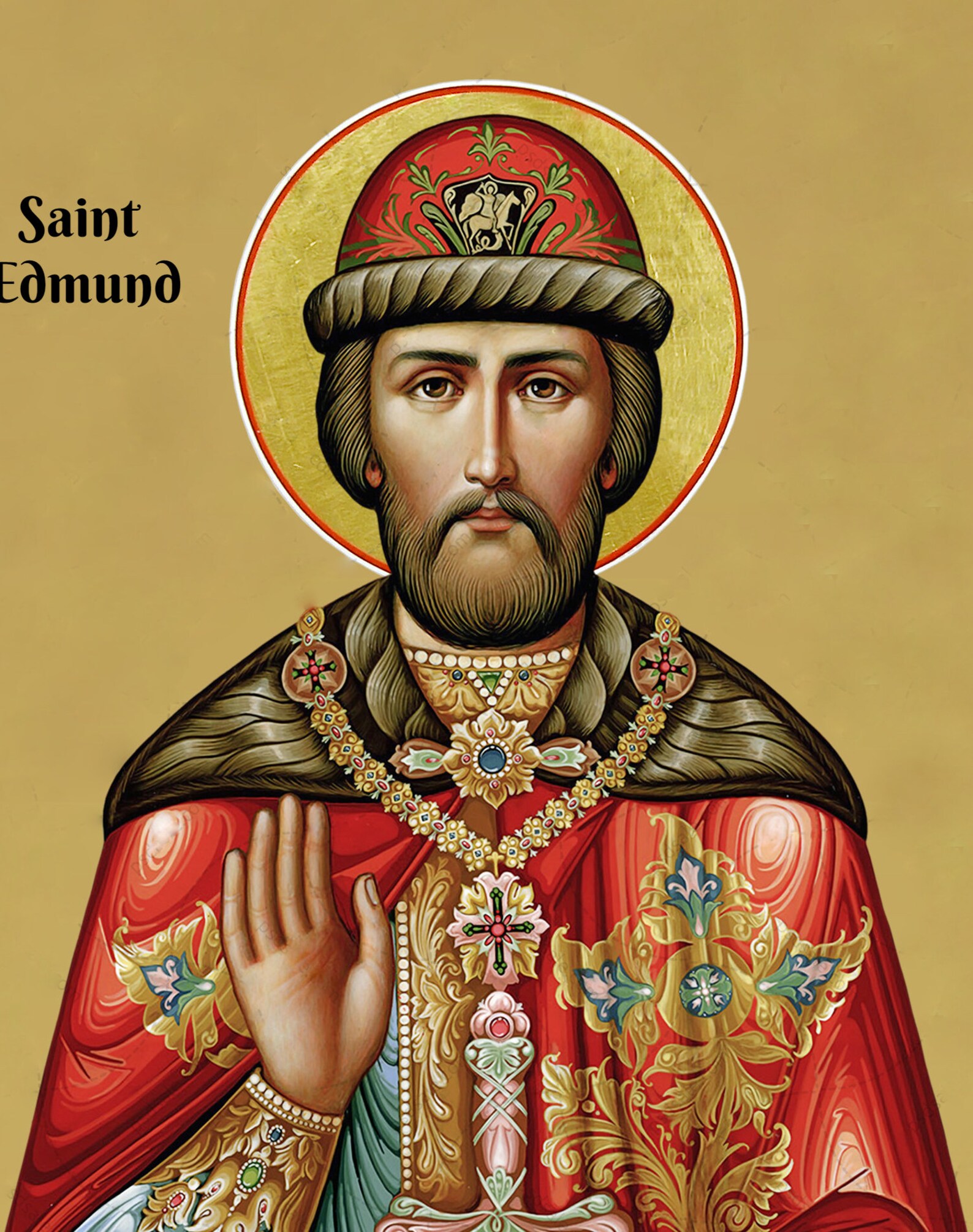
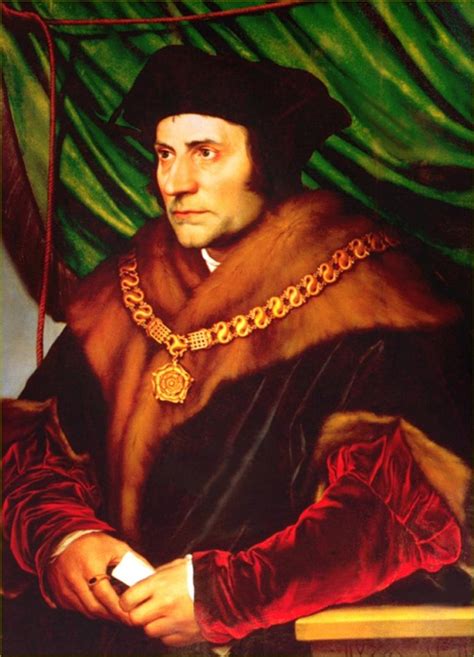
There is another story of England, one that includes the Romano-British and the Anglo-Saxons and runs through the history until the present day. It includes St Alban who died before 304, St. Patrick who was born in Northamptonshire, St Lewina amd St. Hilda of Whitby who died in the 7th century, or St Edmund, King of East Anglia, who died in 869. It continues through Edmund the Confessor, second-last king before the Norman invasion, to St Thomas Beckett, St. Thomas More to St. John Henry Newman.
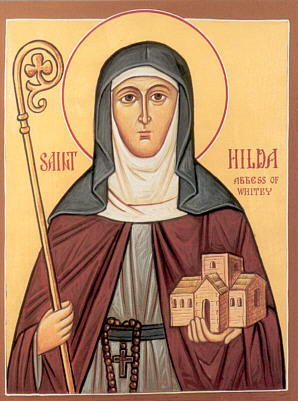
English history is littered with saints and martyrs. These are men and women who are largely hidden from the public because a public steeped in the lives of these historical personages might threaten the establishment. Yet these saints are truly English and tell a long and meaningful history. They are people of the past, but they lead the way to the future. Embrace their stories.